





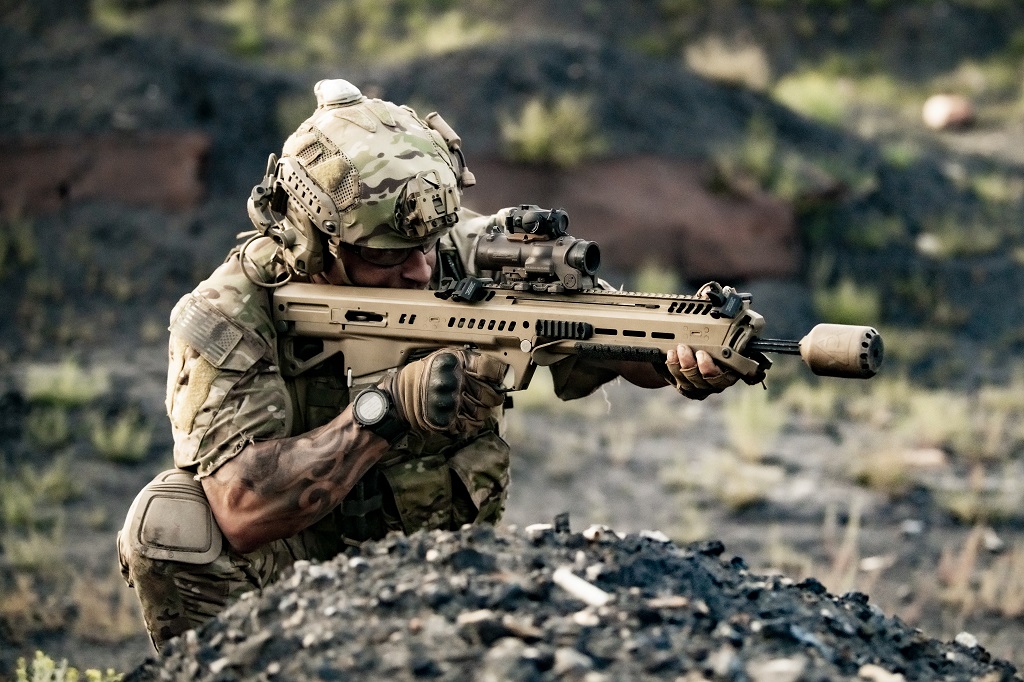

Auf der AUSA 2019 hat General Dynamics Ordnance and Tactical Systems seinen Ansatz für das Vorhaben Next Generation Squad Weapon der U.S. Army präsentiert. GD OTS schlägt sein Waffensystem RM277 vor und hat sich hierfür mit dem Munitionshersteller True Velocity und dem Schalldämpferspezialisten Delta P Design zusammengetan.
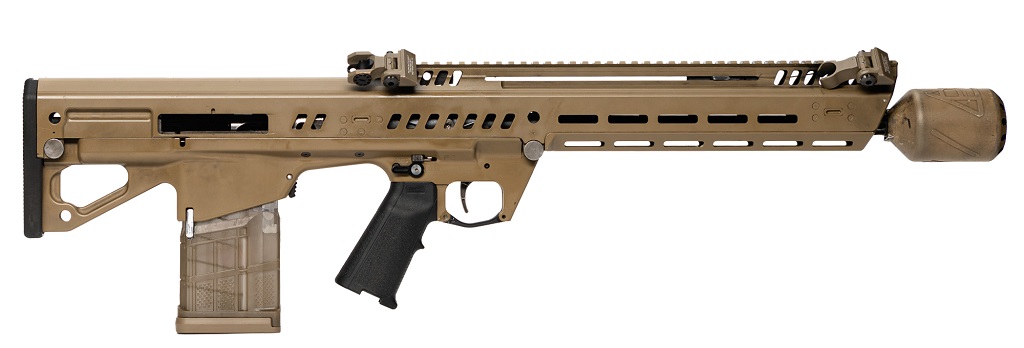
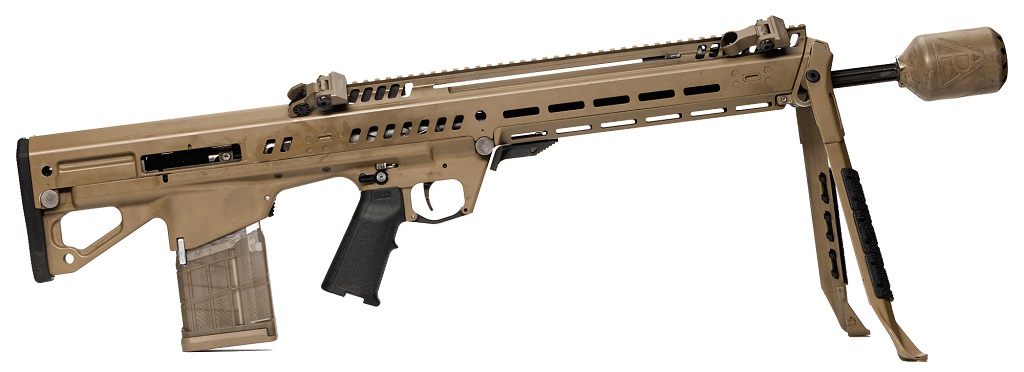
The RM277 weapon system is designed around the 277 TVCM True Velocity cartridge. The first thing that catches the eye is its bullpup design, which makes the weapons very compact. The RM277 assault rifle (RM277 Rifle) and the RM277 light machine gun (RM277 Automatic Rifle) are very similar and can be operated identically. They are magazine-loaded, air-cooled, combined gas and blowback, with recoil averaging. They work according to the Short Recoil Impulse Averaging functional principle, patented in 2012 and already used in the General Dynamics Lightweight Medium Machine Gun. Thanks to this recoil averaging with a short recoil, the weapons should be able to be held well on target even with continuous fire and enable precise fire even at long ranges. Another interesting technical detail: single fire takes place in shooting mode, continuous fire in shooting mode. This is reminiscent of legendary special weapons such as the FG42 paratrooper rifle or the Stoner 63.



The heart of the system is the 277 TVCM load mentioned at the beginning. In accordance with the specification, it carries the 6.8 multi-purpose bullet required by the US Army. The sleeve consists largely of new and 100% recyclable composite material. The composite case is intended to insulate the chamber and bolt head from heat transfer, which reduces wear on the weapon system. A more efficient burning behavior of the compressed propellant powder should lead to lower standard deviations, higher projectile velocities, consistent precision and lower muzzle signatures. Furthermore, the ammunition does not contain any harmful heavy metals.

Komposithülse und verdichtetes Treibladungspulver tragen überdies zu einer Gewichtsersparnis von 30 bis 40 Prozent gegenüber klassischer Munition mit Messinghülse bei. Das wirkt sich nicht nur bei der Kampfbeladung des Soldaten aus, sondern erleichtert die logistischen Prozesse überhaupt. Zudem ließe sich die Munition dank „signifikant reduzierter Produktionsflächen“ bei Bedarf sogar im Einsatzgebiet herstellen.
Jan-Phillipp Weisswange
 Three remaining applicants for the US Army's NGSW handgun modernization
 SIG Sauer confirms participation in the NGSW project
 Improved Individual Firepower - Modernization of small arms systems worldwide
 Systematic thinking – current developments in handguns
 ARCAS – Elbit Systems introduces AI-assisted fire control sight for assault rifles
 SHOTShow 2020 – Dillon Aero introduces Gatling Gun in .338
 Harmonization of handguns in the Bundeswehr
 70 years of Heckler & Koch – partner of the NATO forces on the Neckar
 Drone defense: US forces are testing fire control sights