


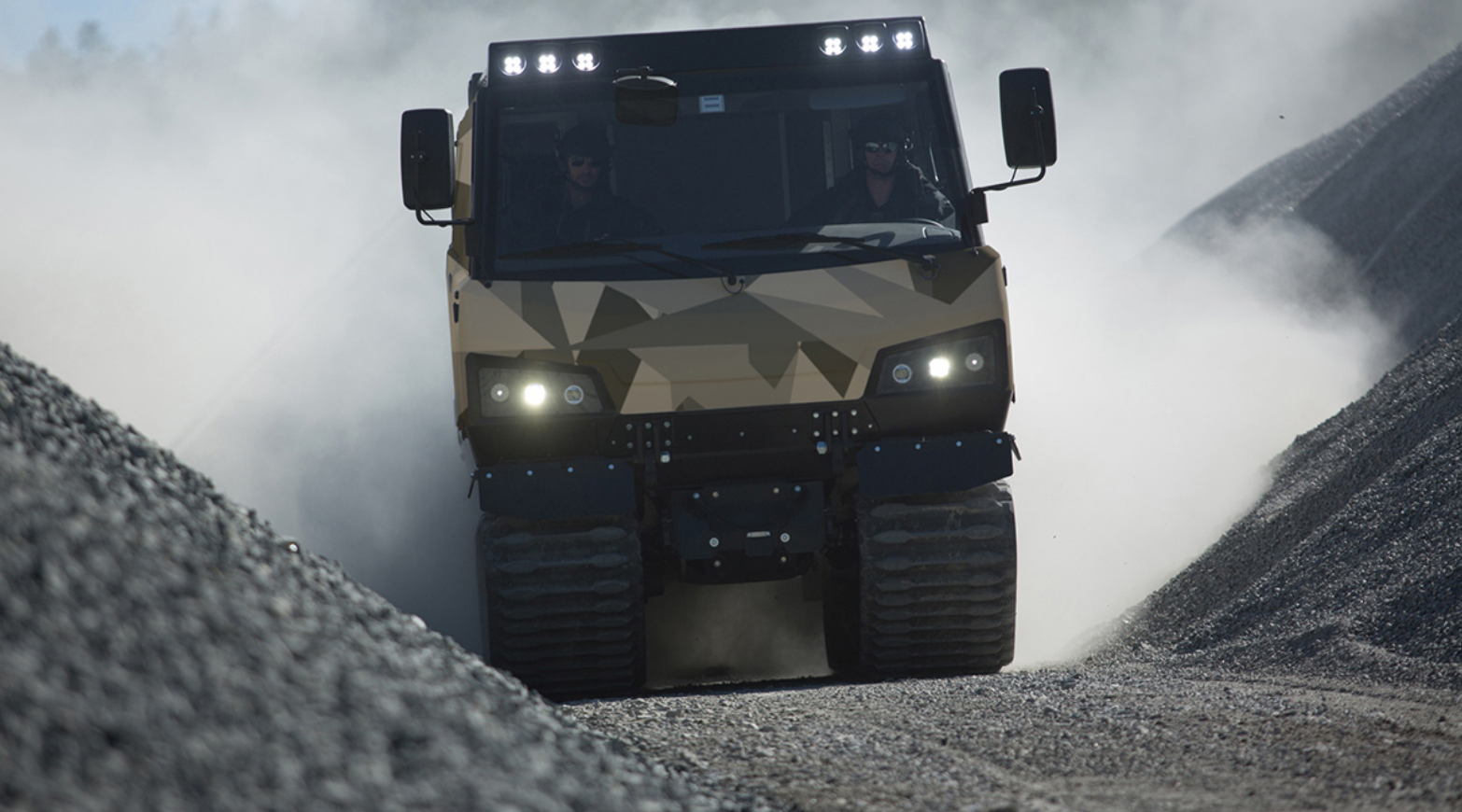




Nach Billigung durch den Haushaltsausschuss des Deutschen Bundestages kann die Bundeswehr in den Rahmenvertrag zur Beschaffung von Überschneefahrzeugen der Neuen Generation / Collaborative All-Terrain Vehicles (CATV) eintreten. Im Rahmen einer Kooperation mit Schweden und Großbritannien haben die drei Länder ein hochmobiles Geländefahrzeug auf der Basis des BV206 MkII entwickelt.
The vehicles are to be used by the Bundeswehr in the area of national and alliance defence, national crisis intervention, in special operations by the KSK and for international crisis and conflict prevention.


Sweden concludes a framework agreement with the manufacturer BAE Systems Hägglunds, which includes the German share with 140 BVS10 Mk2b. The vehicles for Germany are to arrive in the period from 2025 to 2028. It begins in 2025 with four verification models that are subjected to an integrated verification process by the Federal Office for Equipment, Information Technology and Use of the Bundeswehr. From 2026, 40, 40 and 56 vehicles will be added respectively. In the Bundeswehr special fund, 552.2 million euros have been spent on this. In the main inflow phase, the funding requirement is over 100 million euros per year. In addition to the pure vehicle part of the project, the IT equipment with a financial requirement of 129.9 million euros also comes from the special fund, which is presented for approval with a further 25 million euro proposal. In addition, the procurement is supplemented by contributions from the federal government (weapons, security kits) with a value of 17.5 million euros. Which are financed from the investment share of the individual plan 14. The procurement of ammunition as a combat load is to be registered from 2025.
Die für Deutschland vorgesehenen 140 Fahrzeuge sollen die in einer Stückzahl von 337 eingeführten BV206S und BV206D ersetzen. Die jetzt zu bestellende Anzahl an Fahrzeuge stellt also nur einen Teil des Bedarfs der Bundeswehr dar. Das BMVg hat einen Gesamtbedarf von 664 Fahrzeugen im Zeitraum bis 2031 benannt.
Kennzeichen der knickgelenkten Fahrzeuge ist die extreme Geländegängigkeit dank des geringen Bodendrucks und die Aufteilung auf Vorder- und Hinterwagen mit jeweils eigenem Kettenantrieb. Daher eignet sich das amphibische Fahrzeug besonders für Personen- und Materialtransport in schwierigem Gelände (Sumpf, Wasser, Gebirge) und unter extremen Klimabedingungen.
Gerhard Heiming
 Post-development for artillery ammunition SMArt 155 approved
 E-LynX handheld and vehicle radios for digital military radio
 Four NATO countries procure successors to BV 206 and Viking
 Sweden procures BV410 under the European CATV program
 Budget Committee approves 50.4 billion euros for the Bundeswehr
 Operation of SatComBw is extended
 Bundeswehr: 8.5 billion euros will come from the special fund in 2023
 System demonstrator highly mobile land platform handed over
 Interim assessment of trend reversal armaments