





On June 20, the Lithuanian parliament passed several tax increases in order to significantly increase the Baltic Republic's defense budget. The aim is to permanently spend three percent of the gross domestic product on defense in the coming years, as stated on the Lithuanian Ministry of Finance website.
Die zusätzlichen Gelder sollen vor allem für die Beschaffung zusätzlicher Waffensysteme, Munition und Infrastruktur genutzt werden. Explizit ginge es hierbei auch um die Finanzierung der Infrastruktur für die deutsche Brigade, die dauerhaft in Litauen stationiert werden soll.


The additional revenue is to flow into a defense fund that will provide 259 million euros in 2025, 425 million euros in 2026 and 444 million euros in 2027 in addition to the regular defense budget. This will be just over 2 billion euros for 2024. The additional money is to be raised, among other things, through a one percent increase in corporate tax and increased taxes on the purchase of alcohol and tobacco. In addition, the prices for diesel and gasoline will be increased by six cents per liter.
The increase in taxes to strengthen the armed forces was passed with a large majority in the Lithuanian parliament.
Lithuanian Finance Minister Gintarė Skaistė said: “Given the geopolitical situation, Russia's increased investments in the defense industry and the fact that Lithuania is on the border with the European Union, we must do everything we can to ensure Lithuania's security and deter the enemy to set foot in our country. I am pleased that the Seimas managed to adopt the defense fund package we have prepared, which will ensure the necessary financial volume for defense and threat preparation and strengthen both air and ground defense capabilities.”
The federal government is denied such opportunities to increase defense spending due to the FDP's refusal to increase taxes. Since taking on new debt is also a red flag for the Liberals, it remains exciting to see how the federal government plans to finance the required additional spending on defense in the next few years. There should be a first indication in the coming weeks as soon as the draft budget for 2025 and the medium-term financial planning are presented.
Editorial / oh
 First cuts in the Bundeswehr's special assets - will the Bundeswehr's equipment be turned around?
 Germany ready to permanently station a brigade in Lithuania
 Came to stay – incident command arrived in Lithuania
 Lithuanian secret services: Russia is preparing for ongoing conflict
 Comment: Uncertainty is spreading
 Military Commissioner Eva Högl: “We need more material, excellent personnel and good infrastructure”
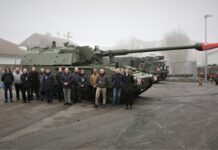 Lithuania received the last overhauled PzH 2000
 Lithuania Brigade: Association is thrown together and reorganized
 Germany – NATO: Dark clouds over the Atlantic