dr Gerd Portugall

The Swedish peace research institute SIPRI (Stockholm International Peace Research Institute) has presented its latest figures on the international arms trade: According to this, states in Europe increased their imports of large weapons systems in the five-year period 2019-2023 compared to the previous half decade 2014-2018 with an increase of 94 percent almost doubled. This happened primarily under the impression of the Russian war of aggression against Ukraine since February 2022.
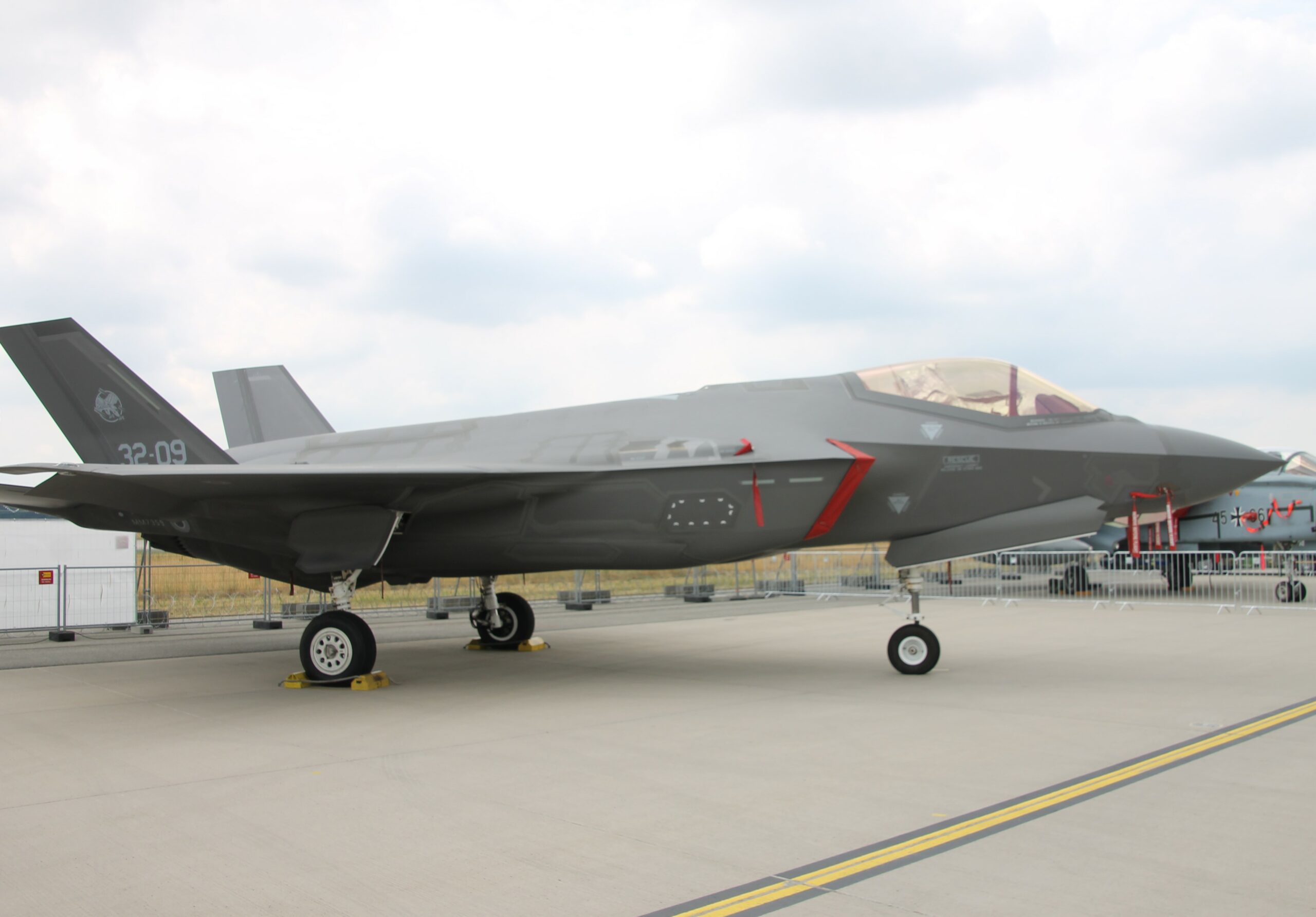
Conversely, the United States increased its arms exports by 17 percent between 2014-2018 and 2019-2023, and its share of total global arms exports rose from 34 percent to 42 percent. The USA delivered major weapons systems to 107 of the world's 196 countries in 2019-2023. According to Mathew George, director of the SIPRI arms transfer program, the United States has “expanded its global role as an arms supplier – an important aspect of its foreign policy – and exported more weapons to more countries than ever before.”
„Mehr als die Hälfte der Waffenimporte der europäischen Staaten“, ergänzte SIPRI-Direktor Dan Smith, „kommt aus den USA, während Europa gleichzeitig für etwa ein Drittel der weltweiten Waffenexporte verantwortlich ist, einschließlich großer Mengen, die außerhalb der Region gehen, was die starke militärisch-industrielle Kapazität Europas widerspiegelt. Viele Faktoren beeinflussen die Entscheidungen der europäischen NATO-Staaten, aus den USA zu importieren, darunter das Ziel, die transatlantischen Beziehungen neben den eher technischen, militärischen und kostenbezogenen Fragen aufrechtzuerhalten.“ Dies geschieht nicht zuletzt vor dem Hintergrund der europäischen Sorgen vor einer zweiten Amtszeit Donald Trumps.


France's growth rate in arms exports between 2014-2018 and 2019-2023 was 47 percent, almost three times as high as that of the USA. This meant that for the first time the Fifth Republic came in second place as the world's largest arms exporter, closely followed by Russia. “France is seizing the opportunity of strong global demand to boost its defense industry through exports,” said Katarina Djokic, a researcher at SIPRI. According to the political scientist, France has been particularly successful in selling its “Rafale” fighter jets outside of Europe. The customers here include India, Qatar and Egypt.
(Photo: Ministry of Defense of the Russian Federation)
Effects of the Ukrainian War
Between 2019 and 2023, the attacked Ukraine unsurprisingly became the largest European arms importer and the fourth largest in the world. Since February 2022, at least 30 countries have been supplying important weapons as military aid to the invaded country. During this period, the USA gave the most weapons to Ukraine at 39 percent, followed by Germany with 14 percent and Poland with 13 percent.
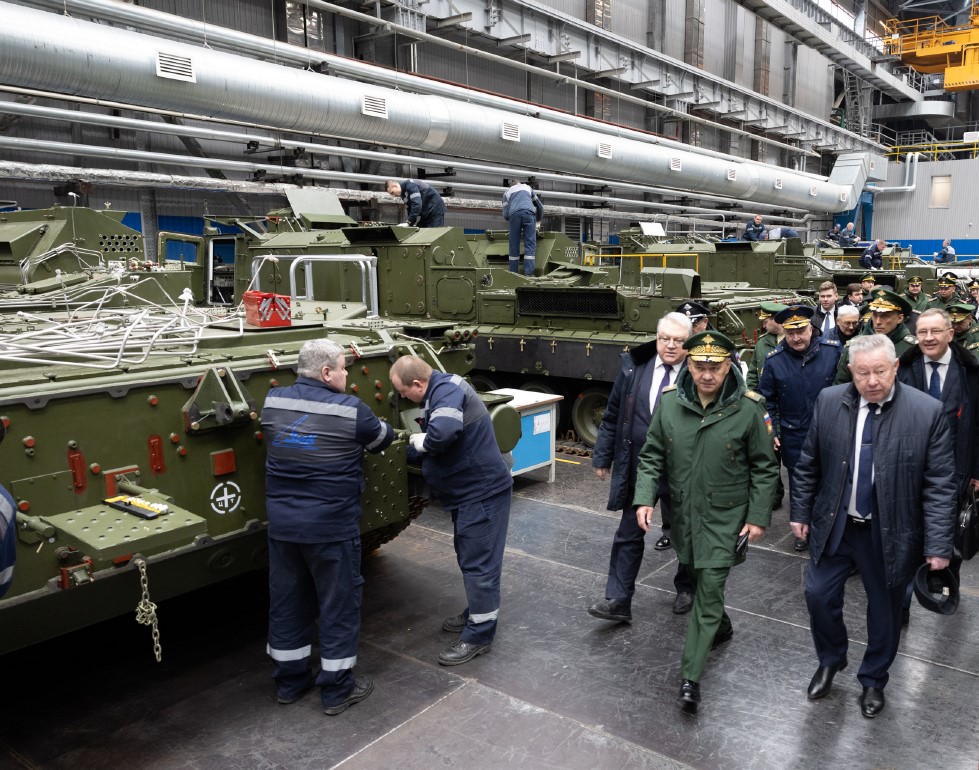
Russia's arms exports fell by 53 percent between 2014-2018 and 2019-2023. This decline is most likely due to the increased domestic need for armaments due to the attack on Ukraine. While Russia exported important weapons to 31 countries in 2019, in 2023 it was only 12 countries, with India and communist China being the largest buyers.
The data for the other world regions can be seen here:Trends in International Arms Transfers, 2023 (sipri.org).
dr Gerd Portugall